Korra runs on the Google Workspace you already use. No moving documents and no multi-month IT project. We set it up on your own documents and get your team working within a month.
An AI work platform for companies from 4M euros in revenue up
Your company grows. Manual work does not have to.
Korra takes on the repetitive office work that slows your team down. It finds the data, drafts quotes and letters, calculates prices, fills tables and files documents by your company's rules. Your people check the result and get on with the work that needs their judgement and experience.
For companies of 5 to 100 people on Google Workspace. Ten places in the first-customer program, we onboard two at a time.
Guarantee. Korra set up and your users trained within a month of approved access. If we do not deliver, you do not pay for the first month.
- documents read
- 14,190 at one company
- calculations
- 30 checked price and VAT calculations, none wrong
- onboarding
- one month to Korra set up and users trained
- with every answer
- the source named
Manual work grows faster than you notice
The company grows, but a lot of the way it works is left over from when there were five people. Someone is looking for the latest version of a document. Someone is retyping figures out of a PDF. Someone is working out the same price again. And the answer that already existed gets asked of the one person who knows where to find it.
Each of those tasks looks small. Added up, they become the hidden cost of growth: they slow down the answer to the customer, widen the room for error, and eat the time of people who should be doing higher-value work.
- Time goes into repetition
- Your best people write similar letters again, assemble the same quotes, and hunt for information the company already has.
- Knowledge stays in heads and folders
- When an important answer sits with one person, every question waits for them. When that person leaves, part of how the company works leaves too.
- Every team works a little differently
- The same customer can get a different document, calculation or answer depending on who happened to do the work that day.
A new customer adds revenue. If every new piece of business also adds manual steps, the company has to keep adding administration just to hold the same pace.
Korra takes over that layer of repetitive work. People stay responsible for the decision, the customer relationship and the final check.
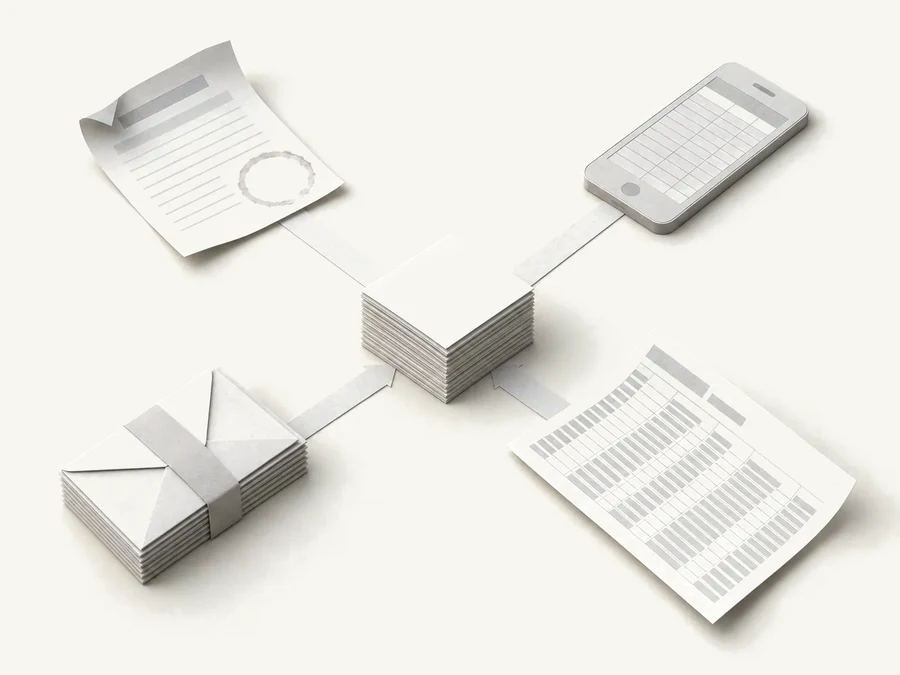
- hunting for a version
- repeats every week
- retyping from a PDF
- by hand, row by row
- the same calculation
- done again from scratch
- an answer that exists
- waits for one person
Three kinds of work Korra can take on right away
Someone writes what they need in plain language. Korra finds the relevant data, applies the company's rules, produces the document or the calculation, and shows the source. A person confirms before anything is sent.
- Quotes and calculations
- Korra reads your price list, your discounts and your VAT rules, and prepares the quote in your own template. The margin stays in the internal version and never reaches the customer's document. The customer gets an answer sooner, and the company lowers the risk of a wrong price or tax.
- Letters and business correspondence
- Korra uses the earlier correspondence and the documents tied to that counterparty. It drafts in your company's style, in Croatian or English. Your person checks it and sends it. The answer no longer depends on who remembers the whole history of the relationship.
- Documents, reports and tables
- Korra turns data from scans, PDFs and other documents into a quote, a report or a table in your template. It checks that the source was read in full and files the result where it belongs. Less copying, less hunting, and the same standard no matter who started the job.
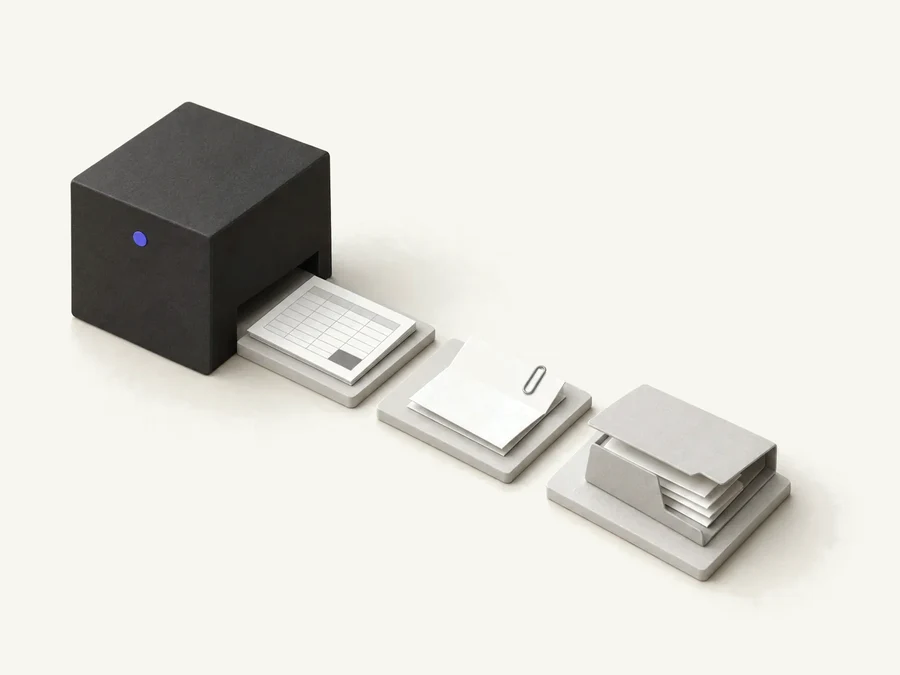
- in
- a task in plain language
- out
- a finished draft, calculation or document
- control
- the source with the answer
- sending
- confirmed by a person
Why the chat tool you already pay for is not enough
A chat tool depends on whether the employee knows what to find, what to paste and what to explain into an empty window. Korra is connected to the company's shared knowledge and works to the rules that apply to the job at hand.
- It reads scanned documents, folders on Google Drive and shared inboxes.
- It remembers counterparties, earlier correspondence, templates and what counts as a good result.
- With the answer it shows the document the information came from.
- It respects access rights per user and per department.
- It stops the task when the data is incomplete, instead of filling the gaps with an assumption.
- It files the result where the team expects to find it.
Korra does not make the business decision for your people. It removes the repetitive work that comes before that decision.
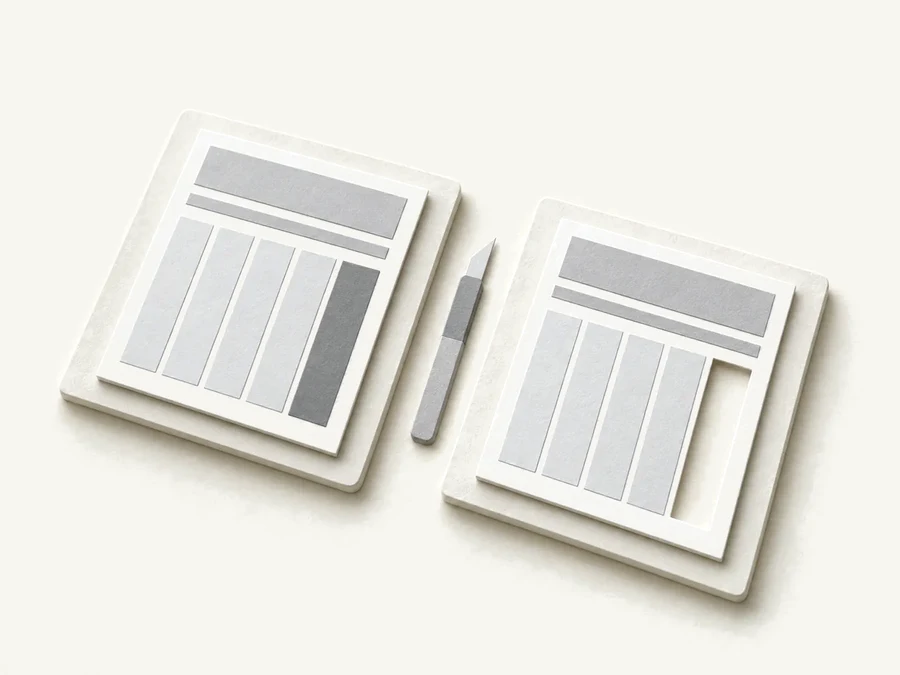
- chat tool
- has to be given the context every time
- Korra
- uses the company's context, access rules and agreed way of working
In one month it read 14,190 documents at one company
Between 8 August and 10 September 2026 Korra read 14,190 documents out of an existing Google Drive. Nobody opened them by hand, renamed them or rearranged them.
Across 30 checked price and VAT calculations it did not return a wrong result. With every answer it named the source the information came from.
- The most important test was the one it failed
- On a scanned price list the system first pulled out 54 of 75 rows and marked the job done. Had a quote come out of that, 21 items would have been missing. We closed that path. Since 10 September 2026 a table is not produced unless every row has been pulled out.
Where an error is expensive, Korra is not allowed to guess. It has to stop and ask to be checked.
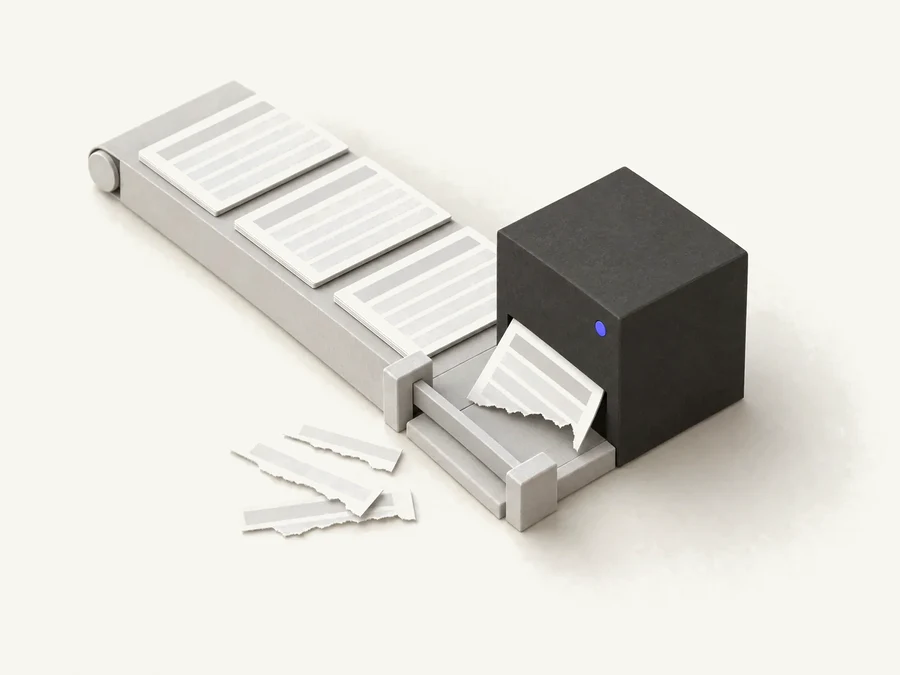
- request
- scanned price list into a table
- rows pulled out
- 54 of 75
- decision
- table refused
- rule in force since
- 10 September 2026
More capacity without another layer of administration
Korra earns its place when a company has enough work, people and documents that repetition is no longer a small thing. Taking that work over raises how much the existing team can finish and lowers how much the business depends on any one person.
- A faster answer to customers and partners
- The information, the draft and the document come together in one place, without hunting through folders or waiting for the person who knows the whole history.
- Fewer expensive mistakes
- Calculations use the price lists and rules that are actually in force, and the answer arrives with its source. When the data is incomplete the job stops before an incomplete document reaches the customer.
- Knowledge stays available
- The way the company writes, calculates and produces documents is no longer hidden in private folders or in one person's memory.
- The same standard across the company
- A new hire and an experienced one work from the same sources, to the same rules, in the same templates.
- Cost under control
- Every job has an amount approved in advance. When it is used up the task stops, and no further cost reaches your bill without a new decision.
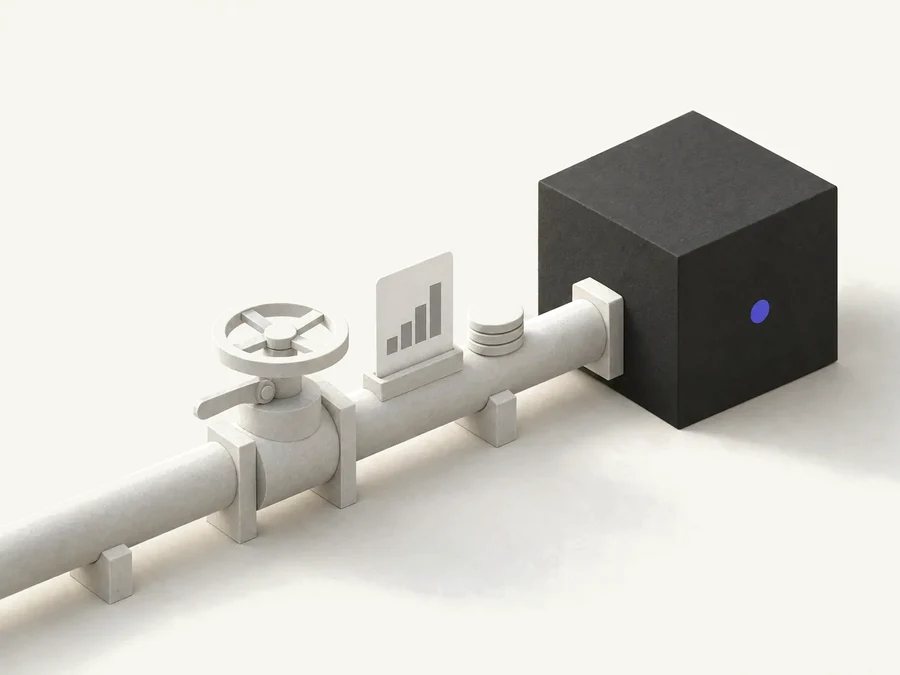
- capacity
- the same team finishes more work
- mistakes
- calculated from the price list in force, source with the answer
- dependence on a person
- lower, the knowledge is available
- cost
- approved in advance, the task stops
Your documents stay with you
The original documents stay in your Google Drive, on your account. Korra reads them where they already sit, with no migration into a new system.
- Access follows responsibility
- Someone without access to finance documents cannot reach them through Korra either. The same holds for every department. Who is allowed to see what is set by your administrator in the app.
- AI models do not train on your data
- What Korra reads out of your documents is kept in the European Union, in Stockholm. Contracts with three AI model makers exclude your data from their training.
- The model can change, the company memory stays
- AI models are replaceable. The value sits in what Korra builds for your company: the counterparties, the writing style, the calculation rules, the templates and the standard for a good result.
- If you stop using Korra
- The documents stay in your Drive because they never moved. What stops is the operating layer that connects them to how your company works. You lose Korra, not your data.
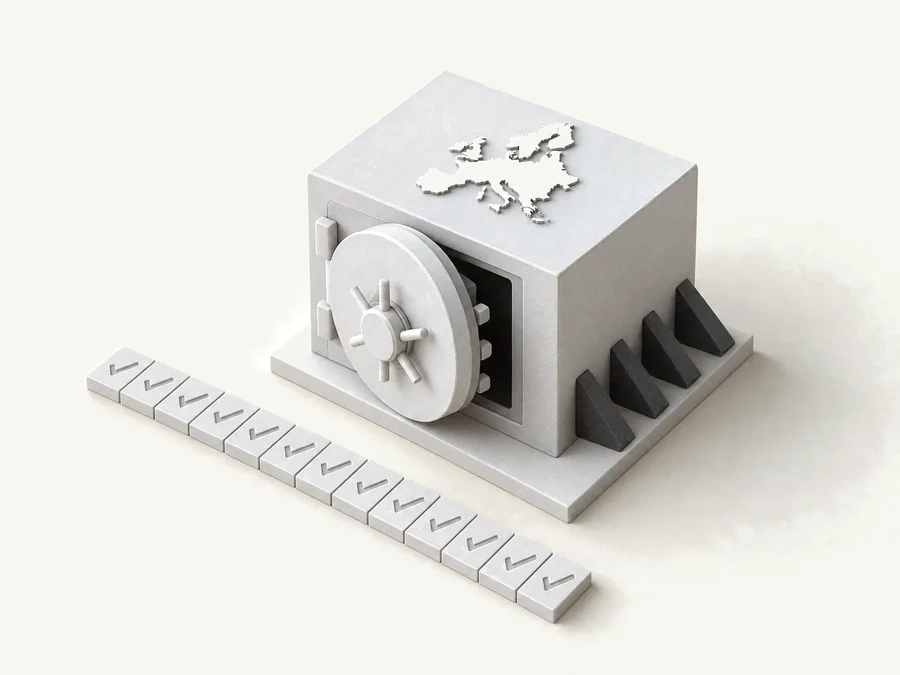
- originals
- your Google Drive
- processing and memory
- the EU, Stockholm
- model training on your data
- excluded by contract
- if you stop
- the data stays with you
From access to real work in a month
Our team runs the setup and the training. You do not move documents and you do not open a multi-month IT project.
- You grant approved access. Korra connects to the Google Workspace you already use. The original documents stay in your Drive.
- We set up the way of working. We connect the sources, the access rights, the templates and the rules the work needs.
- The team works on real tasks. Every user is trained on the questions, documents and situations from their own job. We do not finish on a presentation or a demo case.
Guarantee. Korra is set up and your users trained within a month of approved access. If we do not deliver, you do not pay for the first month.
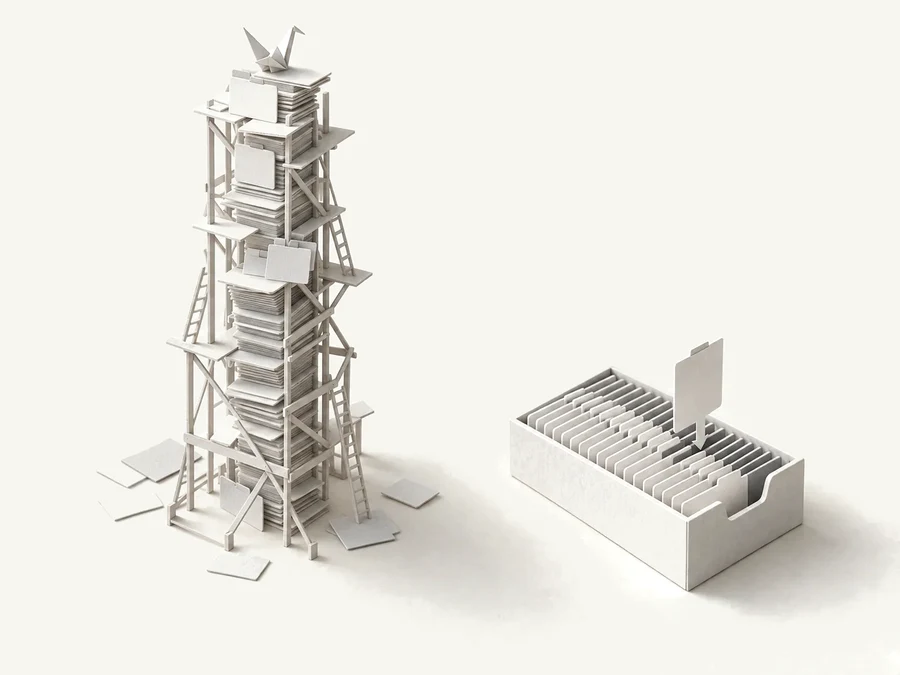
- 1. access
- your Google Workspace, documents stay with you
- 2. setup
- sources, rights, templates, rules
- 3. training
- on your users' real tasks
- deadline
- one month, or the first month is free
What owners actually ask us
- We already pay for ChatGPT, Gemini or Copilot. Why would we need Korra?
- Keep it for the individual tasks it already handles well. Korra solves a different problem: it uses the company's shared documents and rules, names the source, respects access rights, recognises when the data is incomplete, and files the result into an agreed process. If your current tool reliably does all of that, you do not need Korra.
- Will it make things up?
- It can, like any AI. That is why, where a mistake is expensive, we do not rely on a text answer alone. Prices and VAT are calculated from your price list, a document that was not fully read does not go any further, and every answer carries its source. A person gives the final confirmation.
- Does everyone in the company see everything?
- No. Korra respects the access rights you set. Someone outside finance cannot reach finance documents through Korra. Your company's administrator manages access in the app.
- What happens when a key person leaves?
- The documents, the writing style, the templates and the working rules stay available to authorised users. Korra does not keep experience that was never written down anywhere, but it lowers the dependence on one person knowing where things are and how they are done.
- What happens if we stop using Korra?
- Your documents stay in your Google Drive. What stops is the layer that connects them, remembers the rules and carries out the work. Nothing has to come back, because the original documents never moved.
- Who is Korra not for?
- If you occasionally need help writing a text or finding ideas, a good chat tool is enough. Korra is for companies where the same office jobs keep repeating, mistakes carry a cost, and the knowledge is scattered across documents, inboxes and people.
The first ten companies program
Find the first jobs Korra can take on
We take ten companies into the program and onboard two of them in each cycle. The aim is to find the repeating jobs that eat your team's capacity and to set Korra up on real documents, real rules and real user tasks.
You are a good fit if
- the company turns over at least 4 million euros a year
- you have between 5 and 100 people
- you work on Google Workspace
- you have repeating office jobs that eat time or create room for error
The program includes
- setting Korra up and connecting it to your working environment
- training your users on real work
- a direct line to the team building the product
- terms locked for as long as you are an active customer
- the guarantee of setup and training within a month
Sending the form is not a purchase. First we work out how much repetitive work Korra can take on, and whether onboarding makes business sense for your company.

- places
- ten companies, two at a time
- setup and training
- run by our team
- terms
- locked while you are an active customer
- deadline
- one month, or the first month is free